Bar Academy
Discover the essential techniques and professional equipment of the mixology world. Master the art of the perfect pour.
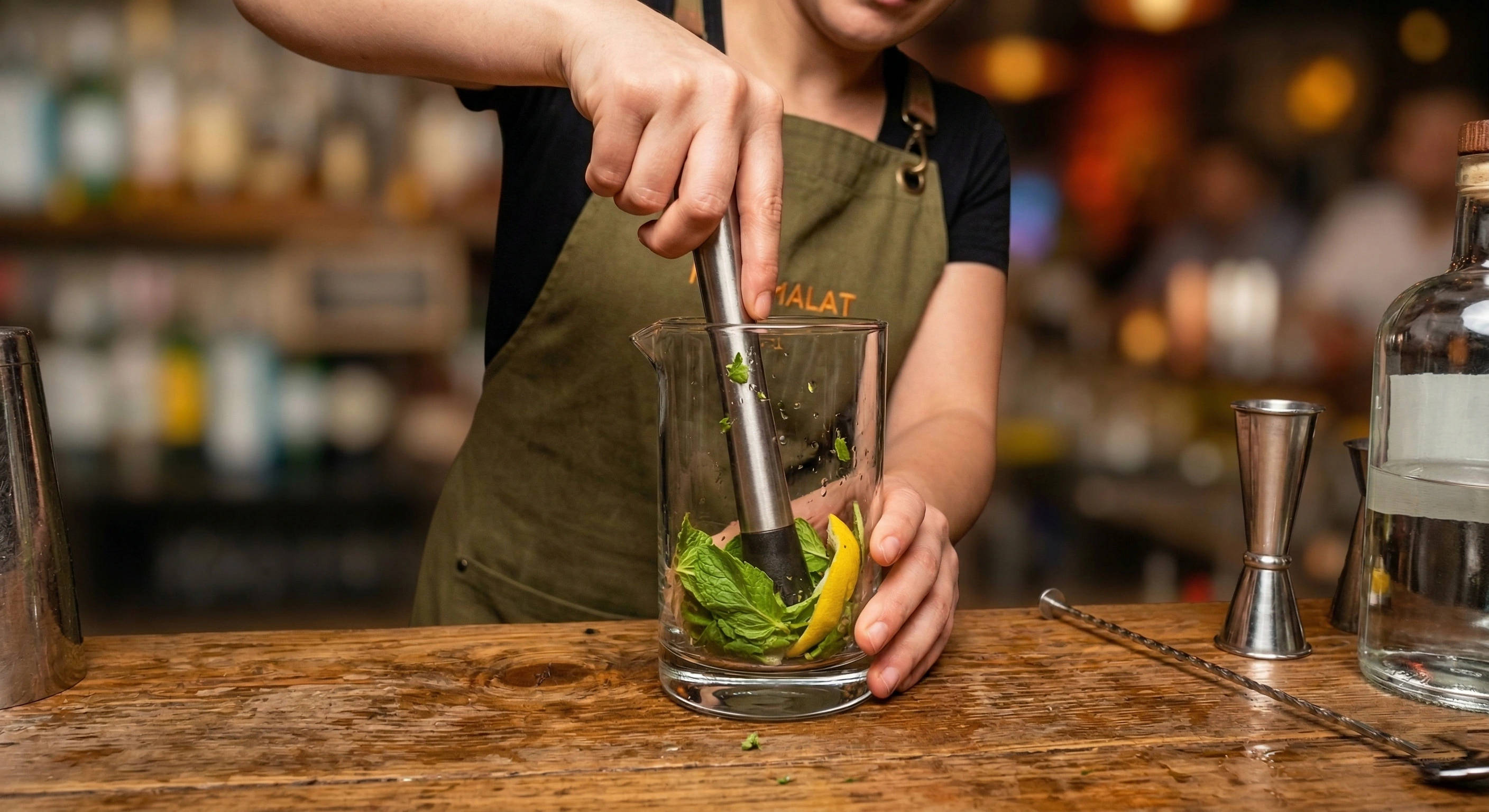
What is Bruised?
Bruising is the process of gently pressing ingredients in cocktail preparation to release their flavors. This technique is especially preferred in cocktails containing fresh herbs and citrus fruits, and allows the natural oils and flavors of the ingredients to pass into the drink without breaking down. Bruising is similar to muddling but requires a lighter and more controlled application. During the process, delicate ingredients such as mint, lemon or lime are gently pressed with a mallet or spoon handle. This enriches the flavors of the drink while preserving the visual integrity of the ingredients. In Mojitos and similar herb-based cocktails, this technique enhances the flavor profile of the drink and ensures a balanced drink. Advantages include the natural infusion of flavors, preservation of visual integrity and a light textured drink. The disadvantages are that the ingredients can disintegrate if applied incorrectly, it requires caution and a period of familiarization for beginners. The bruising technique can be practiced at home or in professional bars and adds both aesthetic and aromatic value to drinks. This guide explains in detail how to bruise, its advantages, disadvantages and tips so you can maximize the taste and presentation of your cocktails.
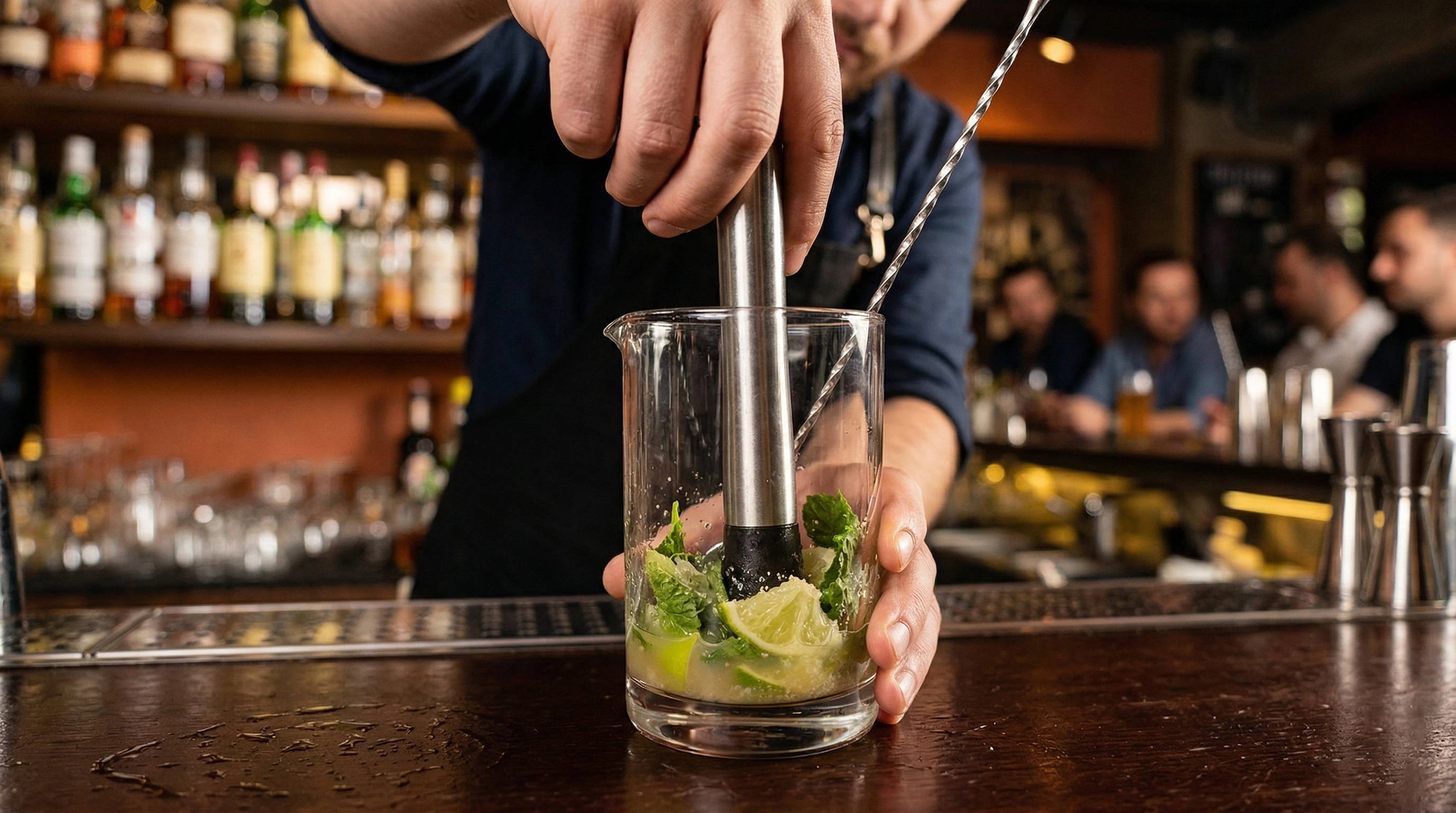
What is Muddling?
Muddling is a basic bar technique for mashing ingredients such as fruit, herbs and sugar in cocktails to bring out their aromas and flavors. This method is used especially in Mojitos, Caipirinhas and cocktails with fresh herbs to enhance the character of the drink. During the process, controlled pressure is applied to the ingredients; the aim is not to break them down, but to release aromatic oils and juices. The equipment used, the muddler, can be wooden, plastic or metal and crushes the ingredients. Once the muddling process is complete, the drink is mixed with other ingredients and served. Advantages include bringing out natural aromas, enhancing the flavor of the cocktail and offering a simple but effective use. The disadvantages are that over-crushing can cause a bitter taste, wooden models can retain color and odor and require careful cleaning. The muddling technique is an important step in enhancing the taste and aromatic richness of cocktails for both home and professional bars. This guide explains in detail how muddling is done, its advantages, disadvantages and tricks, so you can achieve the best results in terms of both flavor and professional presentation.
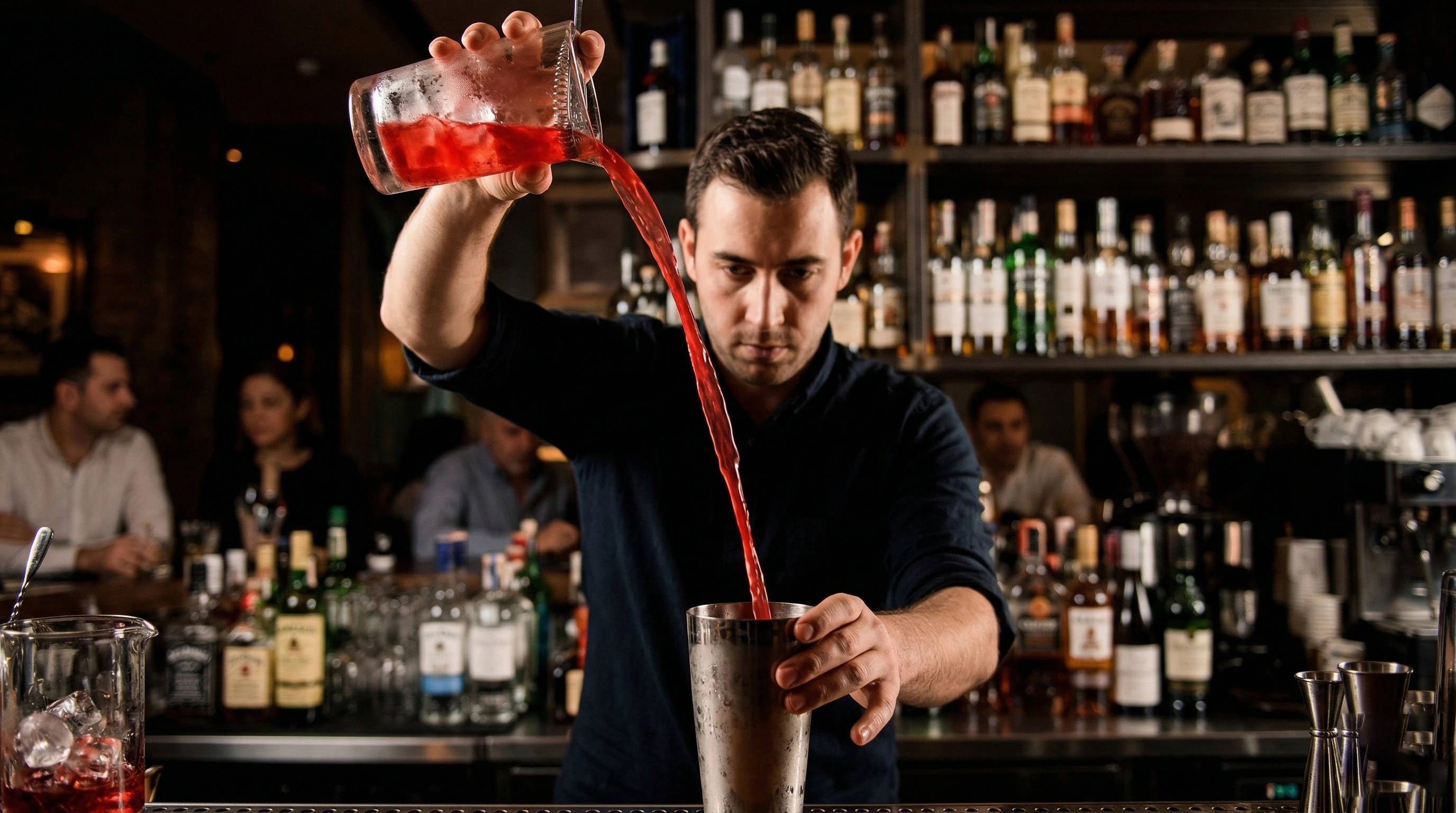
What is Throwing?
Throwing is the technique of adding air and cooling a cocktail by transferring it from two containers to each other. Guide with how to do it, advantages and usage details.
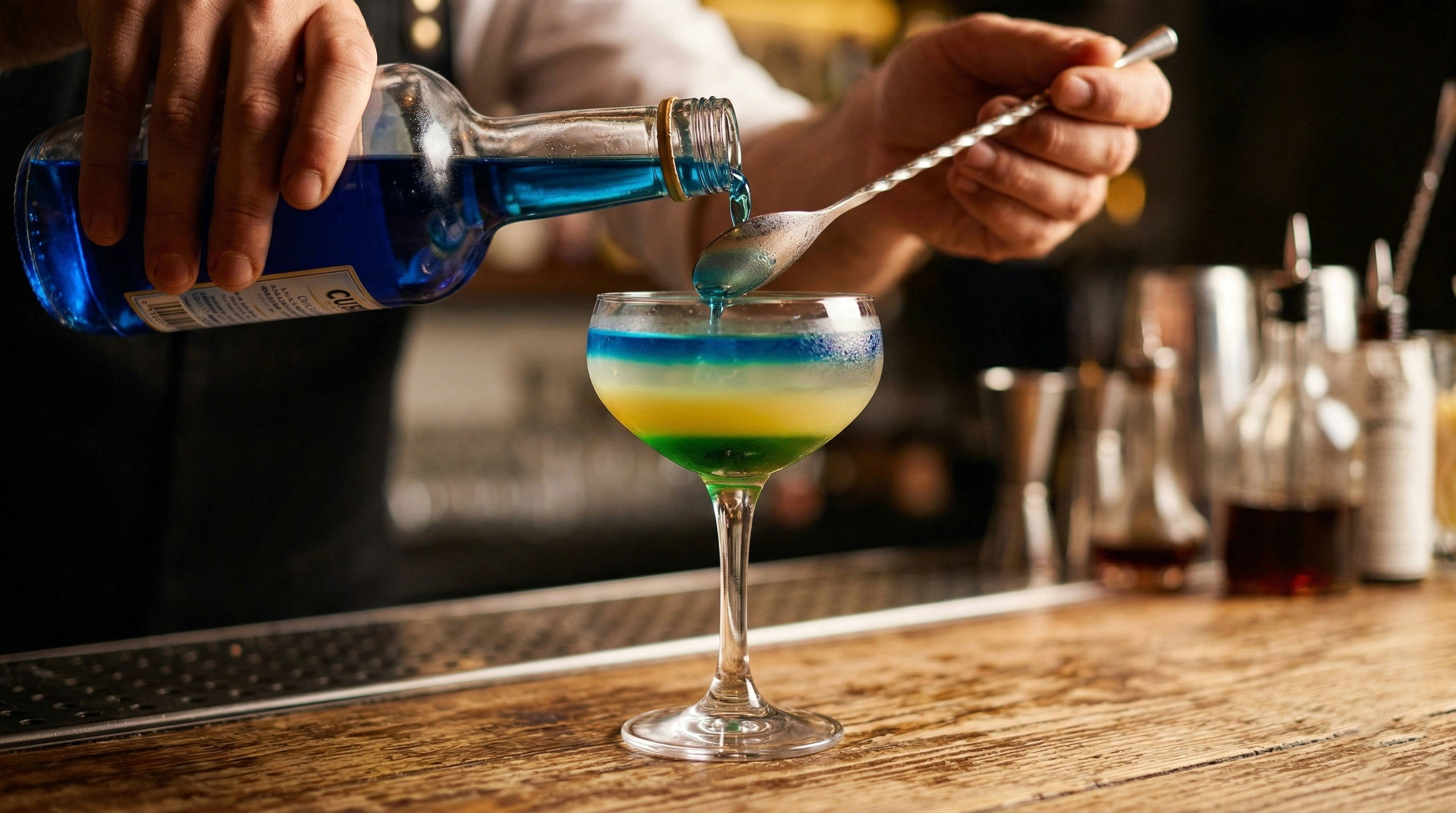
What is Layering / Floating?
Layering / floating is the technique of preparing cocktails by layering them on top of each other according to the difference in density. Guide with how to do it, advantages and usage details.
What is Building?
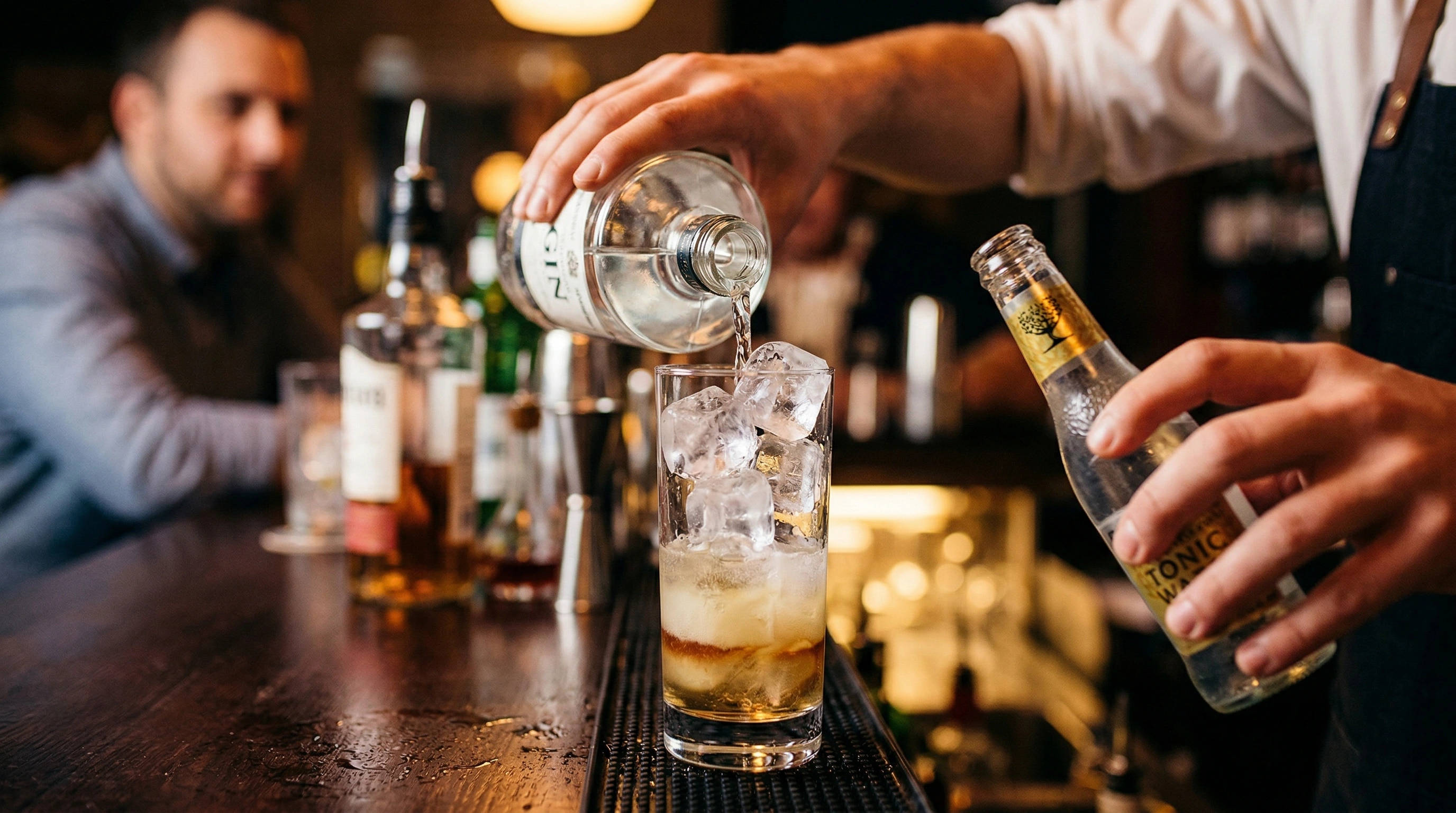
Building is the technique of preparing cocktails directly in the glass. Guide with how to do it, advantages and usage details.
What is a Dry Shake?
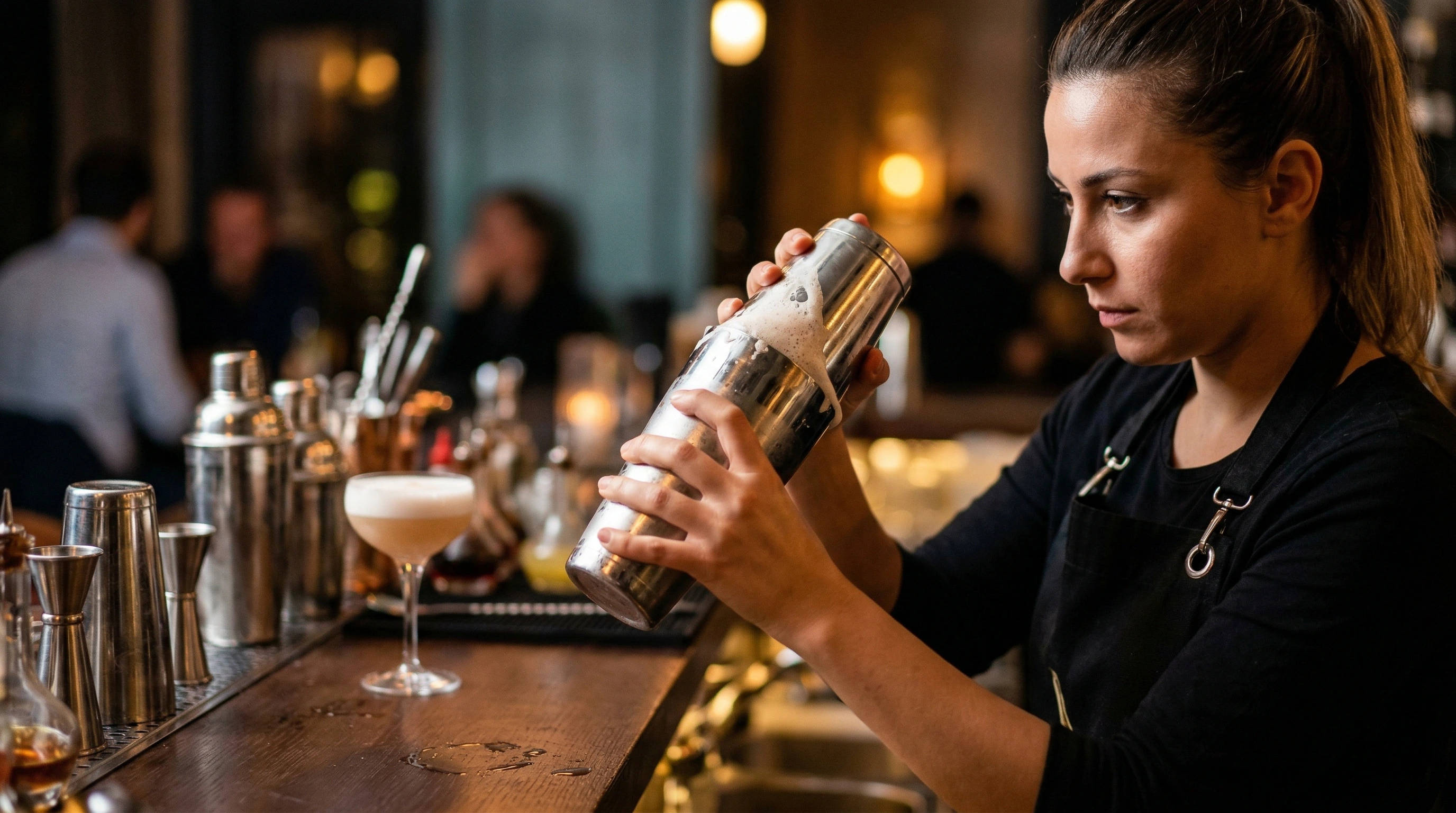
Dry shaking is a technique that shakes cocktails without adding ice, resulting in dense foam and better texture. How to do it, advantages and guide with details.
What is Stirring?
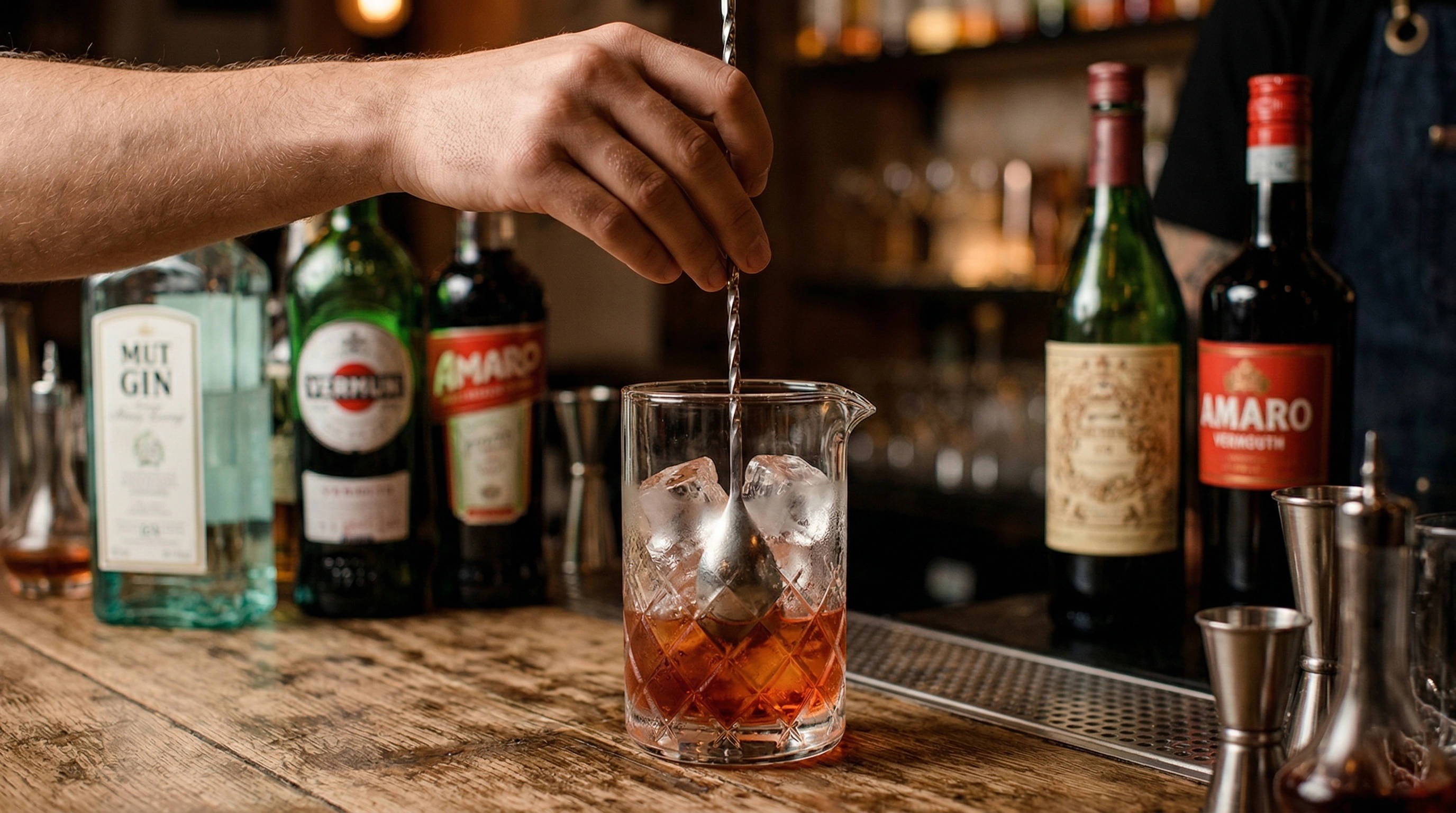
Stirring is a technique that gently mixes cocktails to make them clear and balanced. How to do it, advantages and guide with details.
What is Shaking?
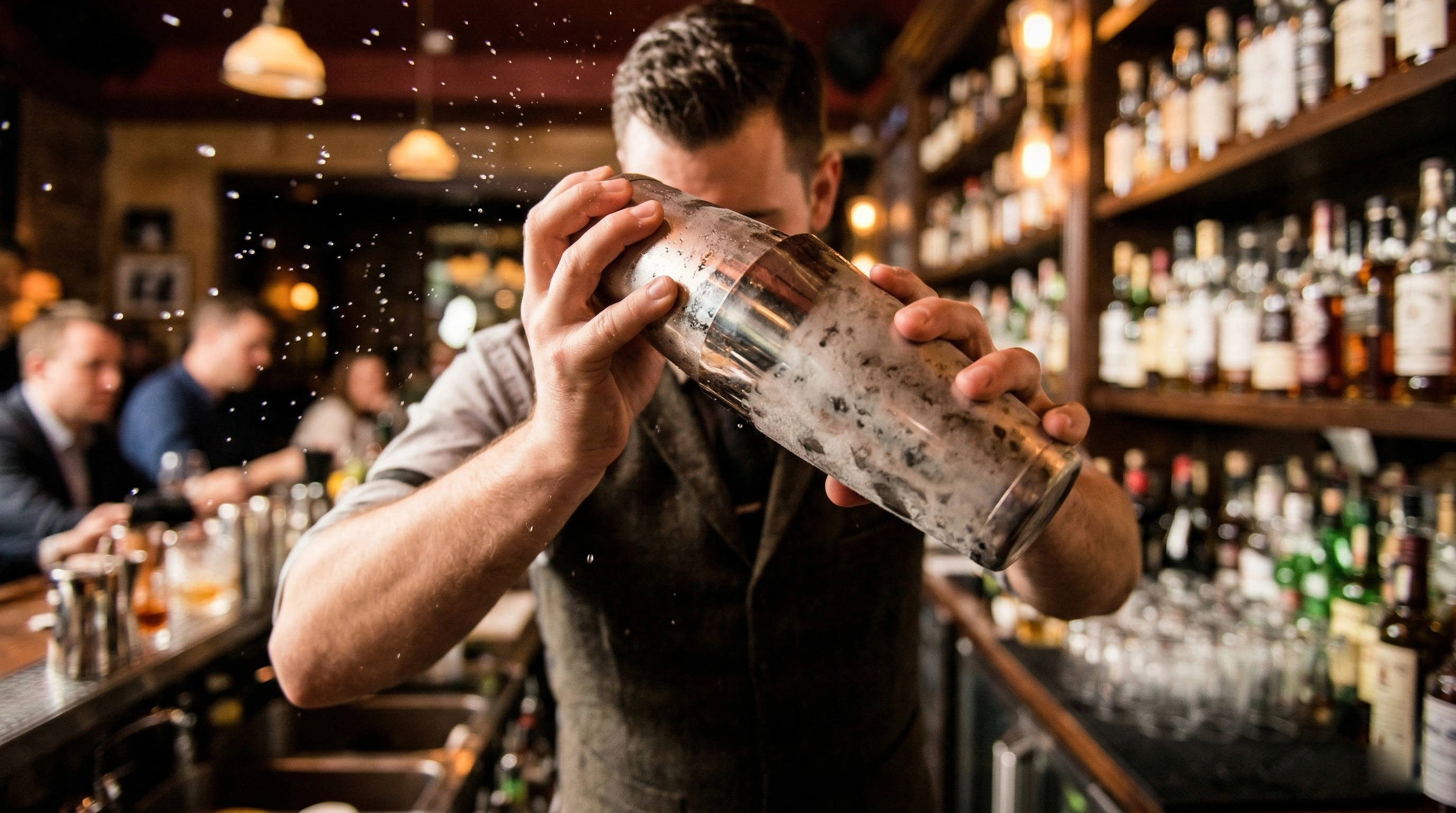
Shaking is a technique that cools and stabilizes cocktails by vigorously mixing them with ice. How to do it, advantages and guide with details.
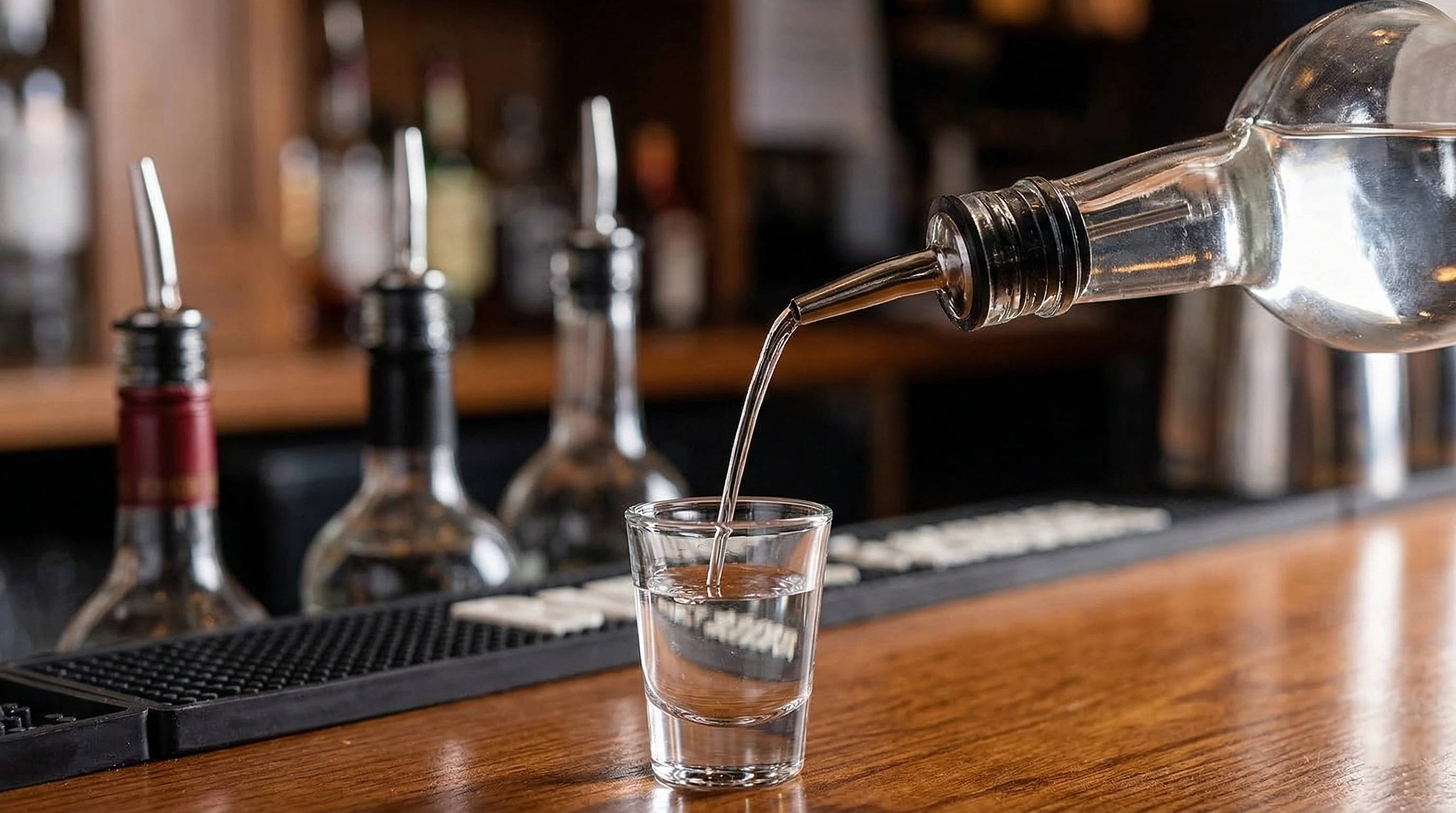
What is a Pourer?
Pourer is a bar equipment that is attached to bottles to ensure controlled and smooth pouring of liquid. Guide with its use, advantages and details.
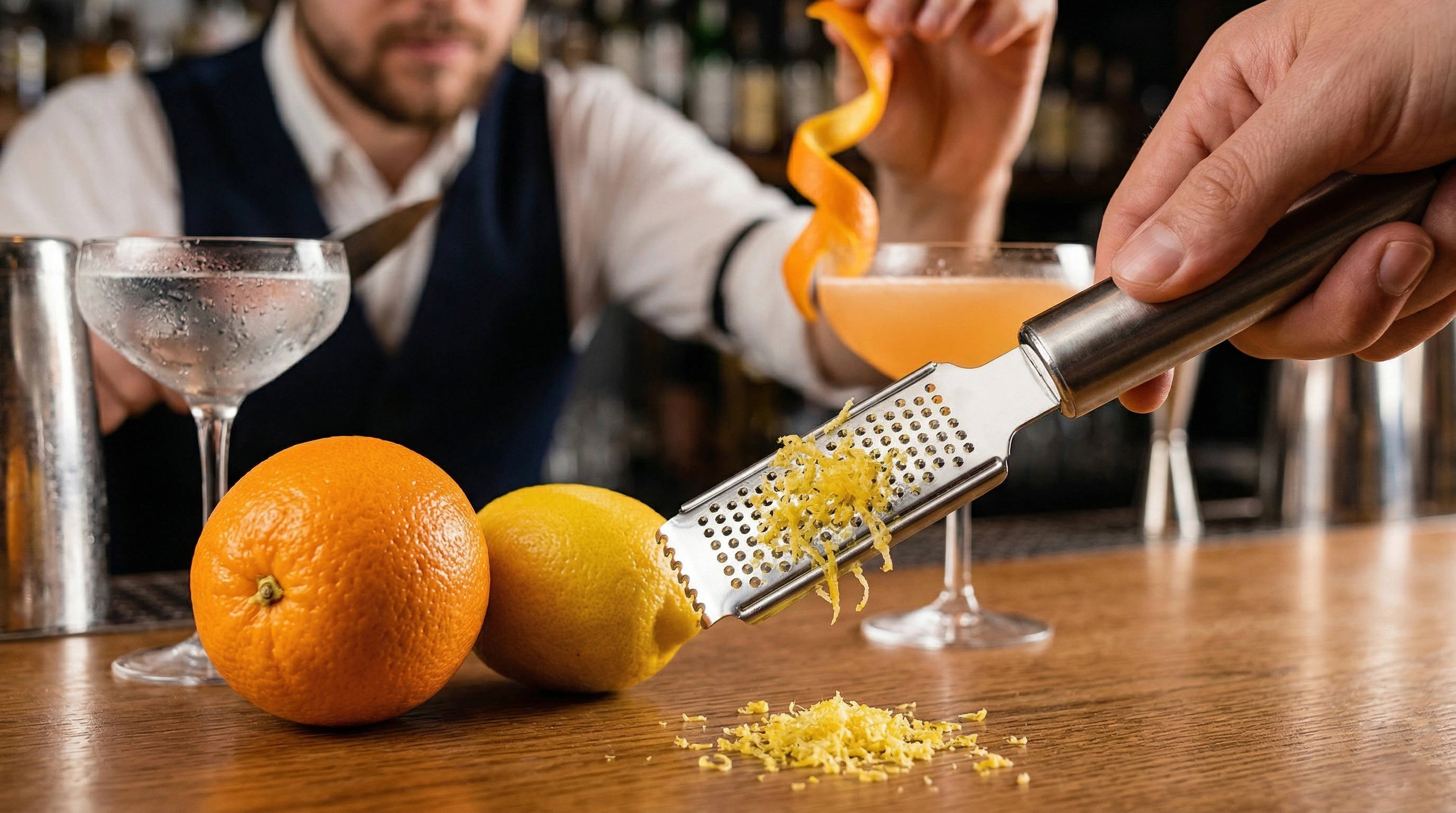
What is a Zester / Channel Knife?
The zester and channel knife are bar equipment used to extract flavors and decorative garnishes from citrus peels. Guide to their use and details.
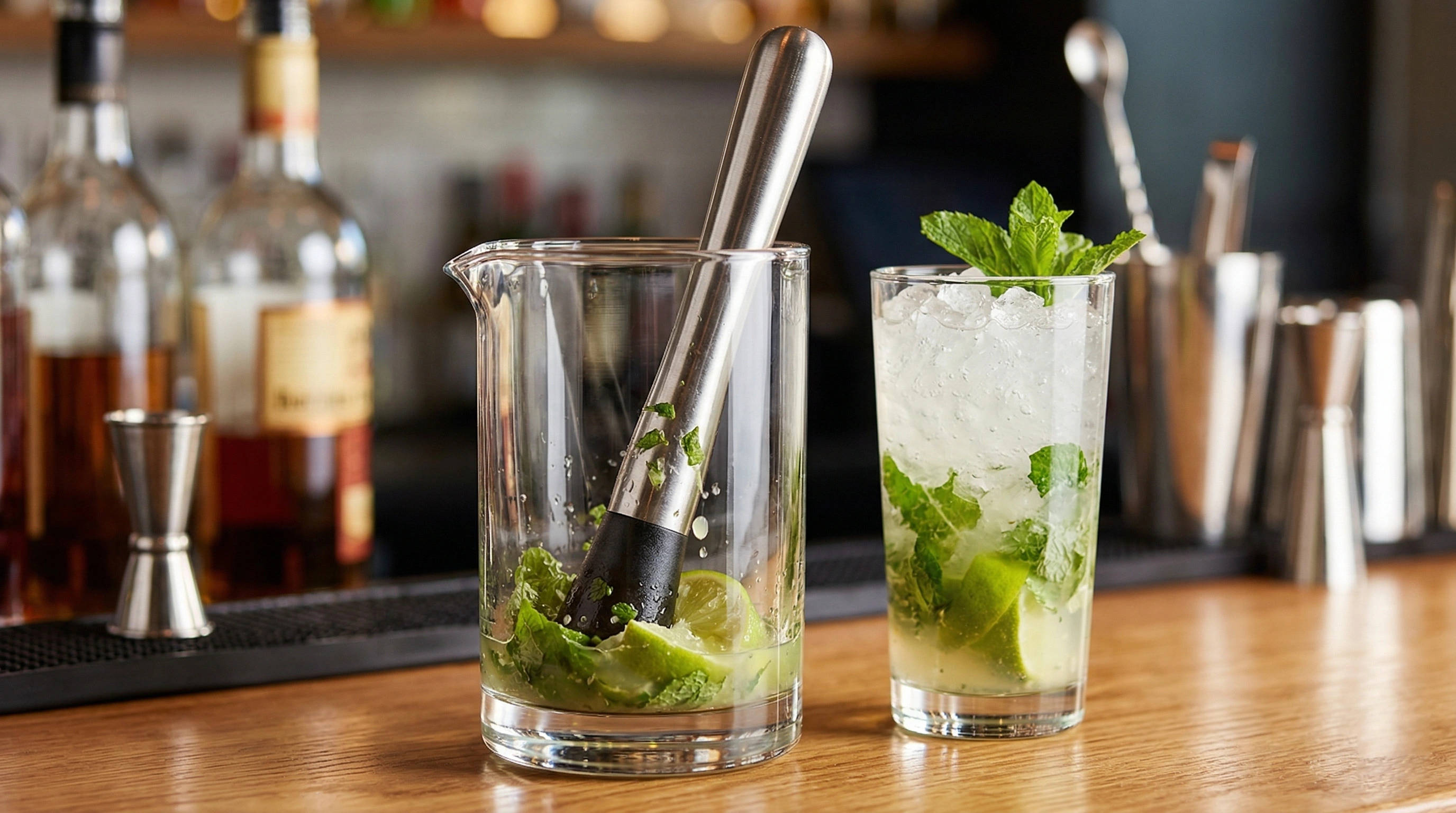
What is a Muddler?
A muddler is a bar equipment for crushing fruits and herbs in cocktails to extract flavors. How to use it, its advantages and a guide with usage details.
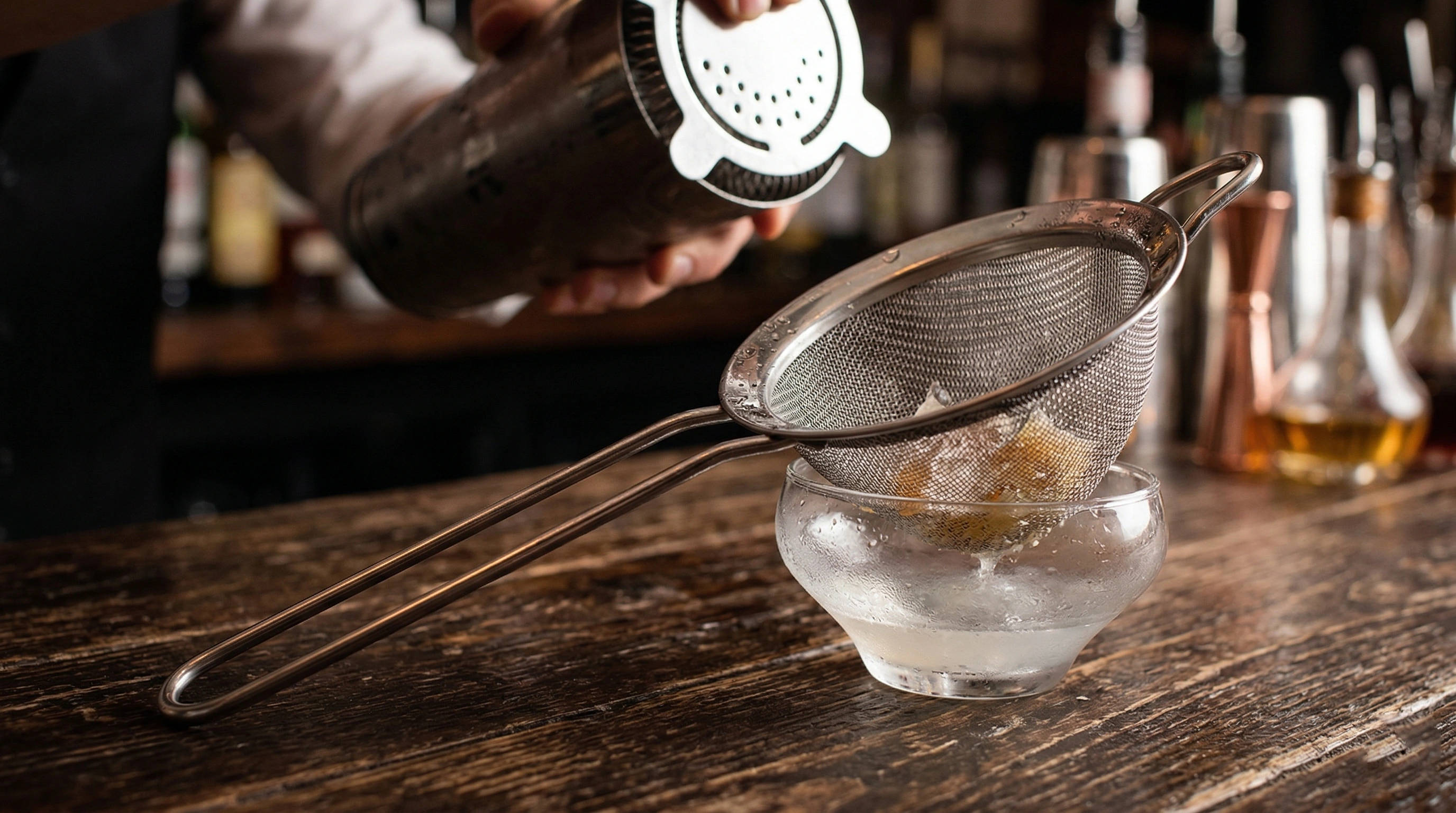
What is a Fine Mesh Strainer?
The fine mesh strainer is a fine wire strainer that smooths cocktails by double straining. How to use it, its advantages and a guide with usage details.
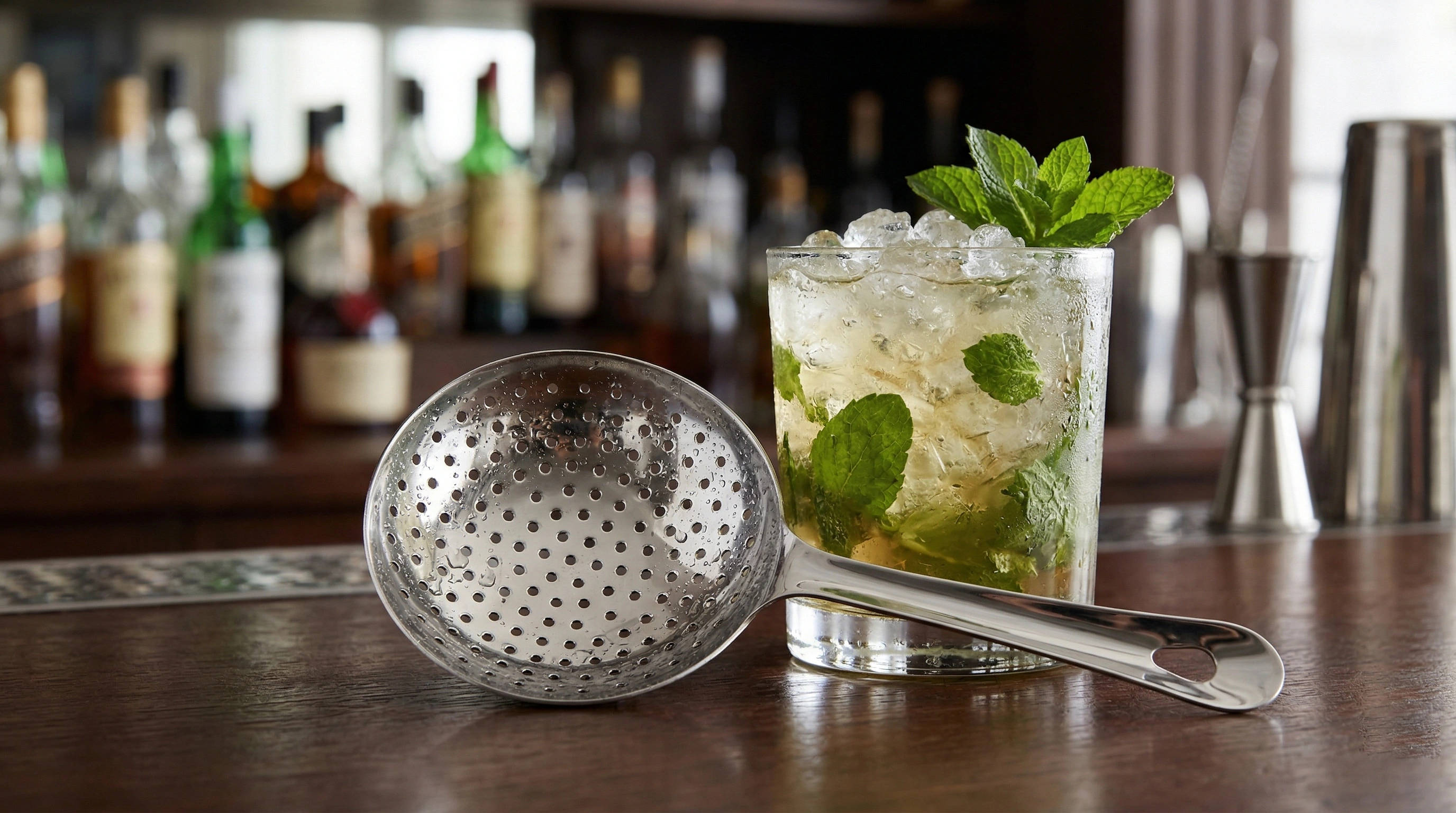
What is a Julep Strainer?
A julep strainer is a bar equipment in the form of a spoon with holes used for straining cocktails. How to use it, its advantages and a guide with usage details.
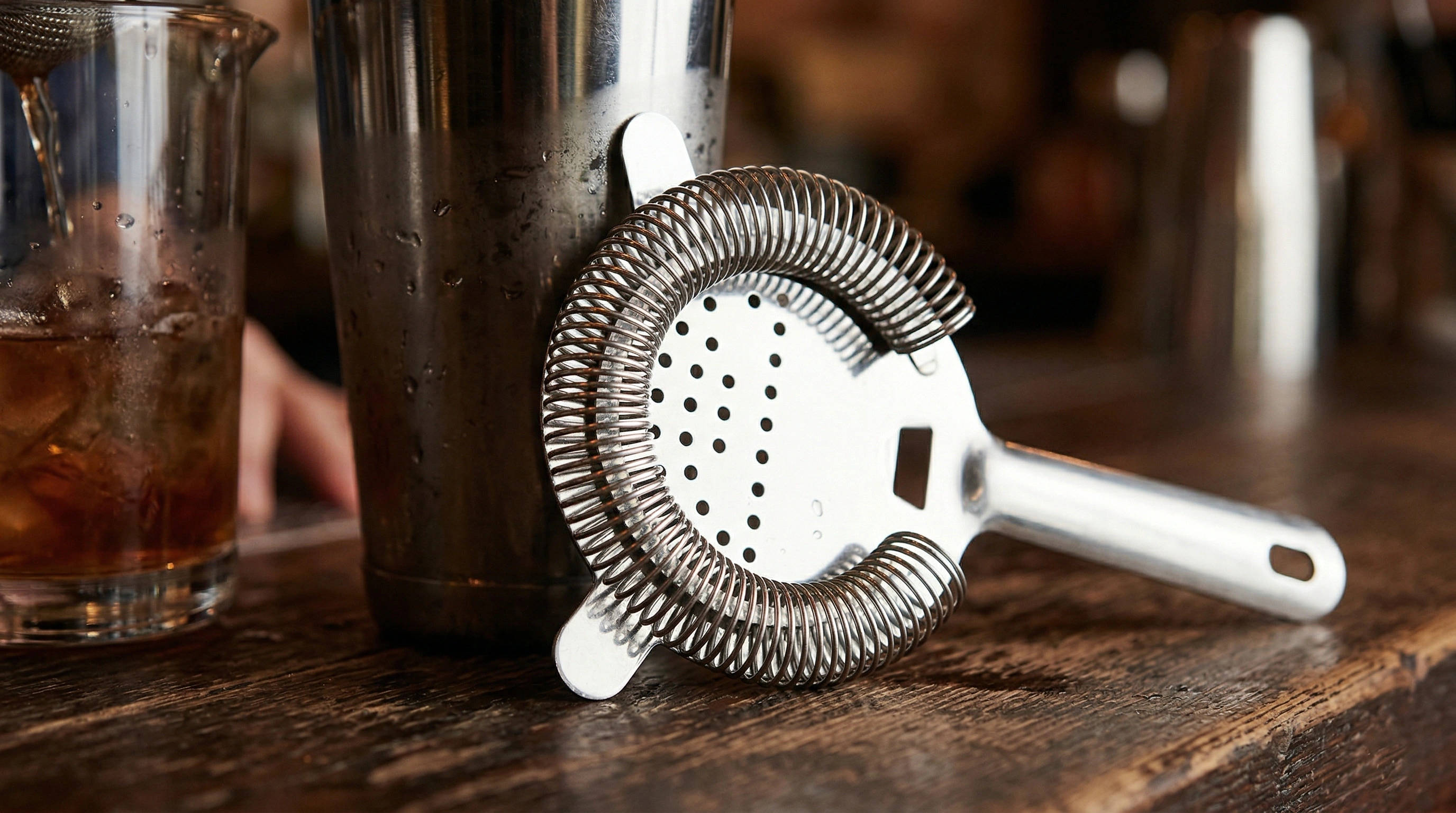
What is Hawthorne Strainer?
Hawthorne strainer is a professional bar equipment used for straining cocktails with its spring structure. How to use it, its advantages and guide with usage details.
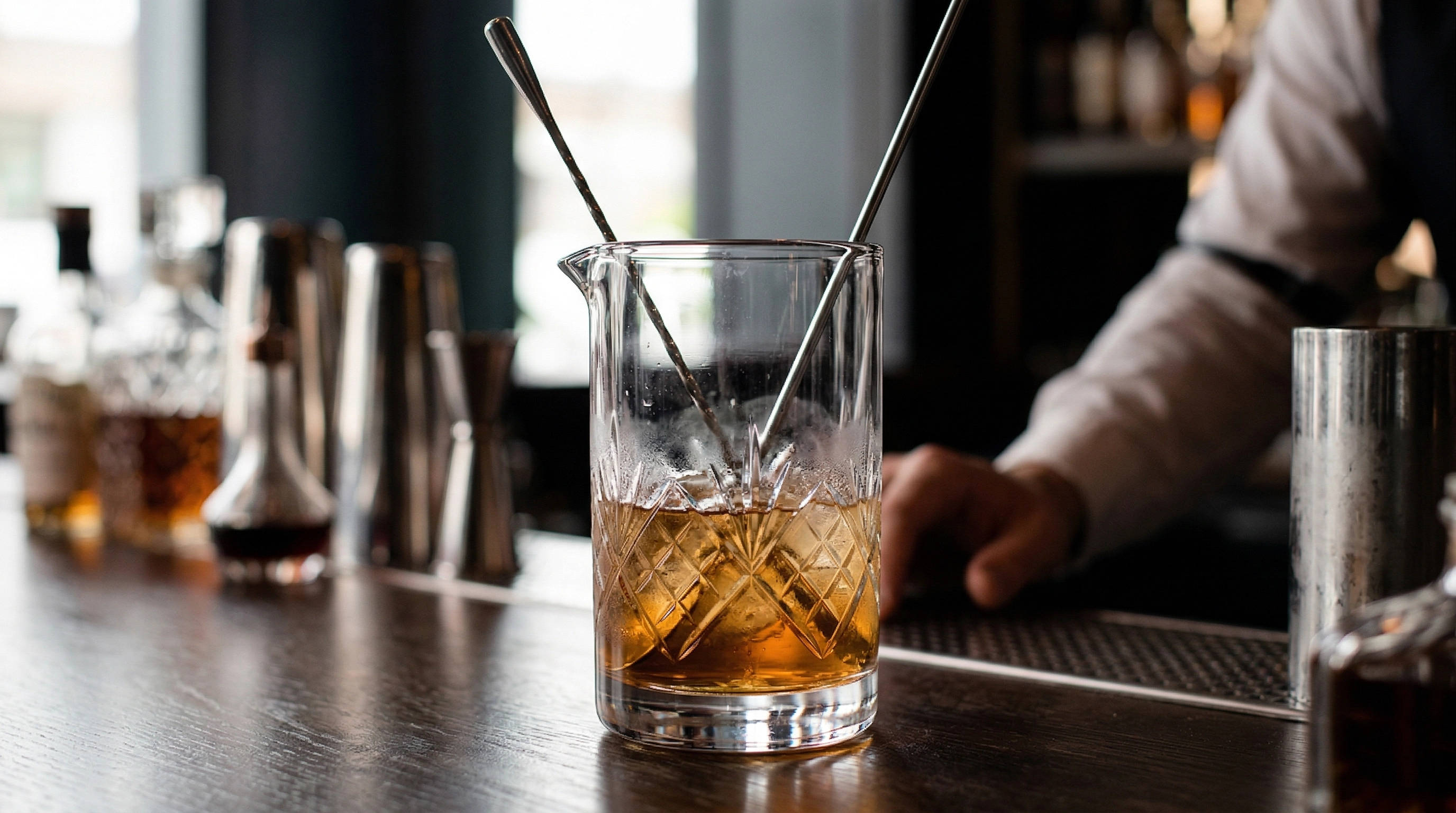
What is a Mixing Glass?
Mixing glass is a glass mixing vessel used to prepare cocktails by stirring without shaking. Detailed guide with how to use it, advantages and features.
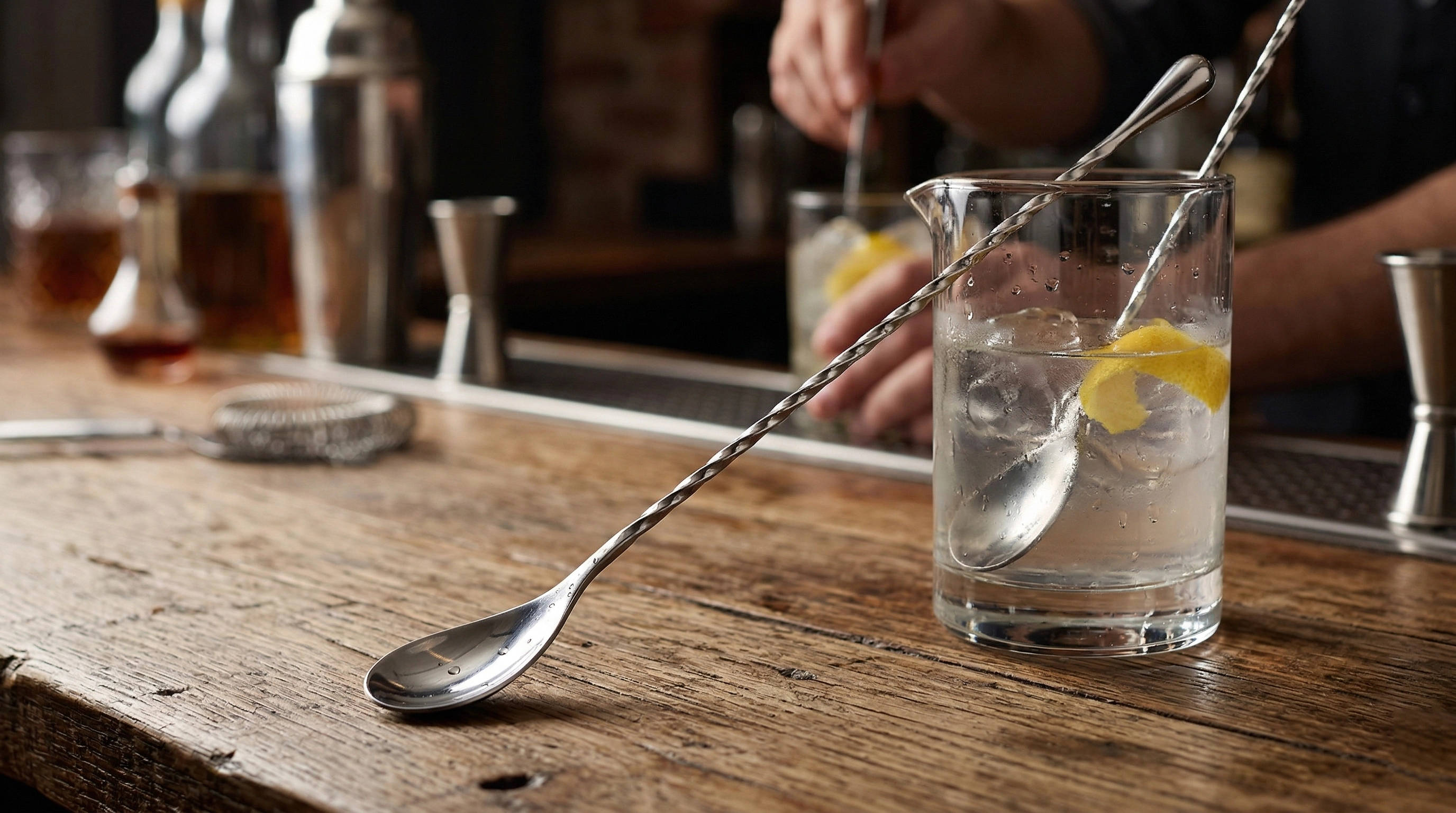
What is a Bar Spoon?
The bar spoon is a professional bar spoon for mixing, layering and adding small measurements to cocktails. Detailed guide to its use, advantages and disadvantages.
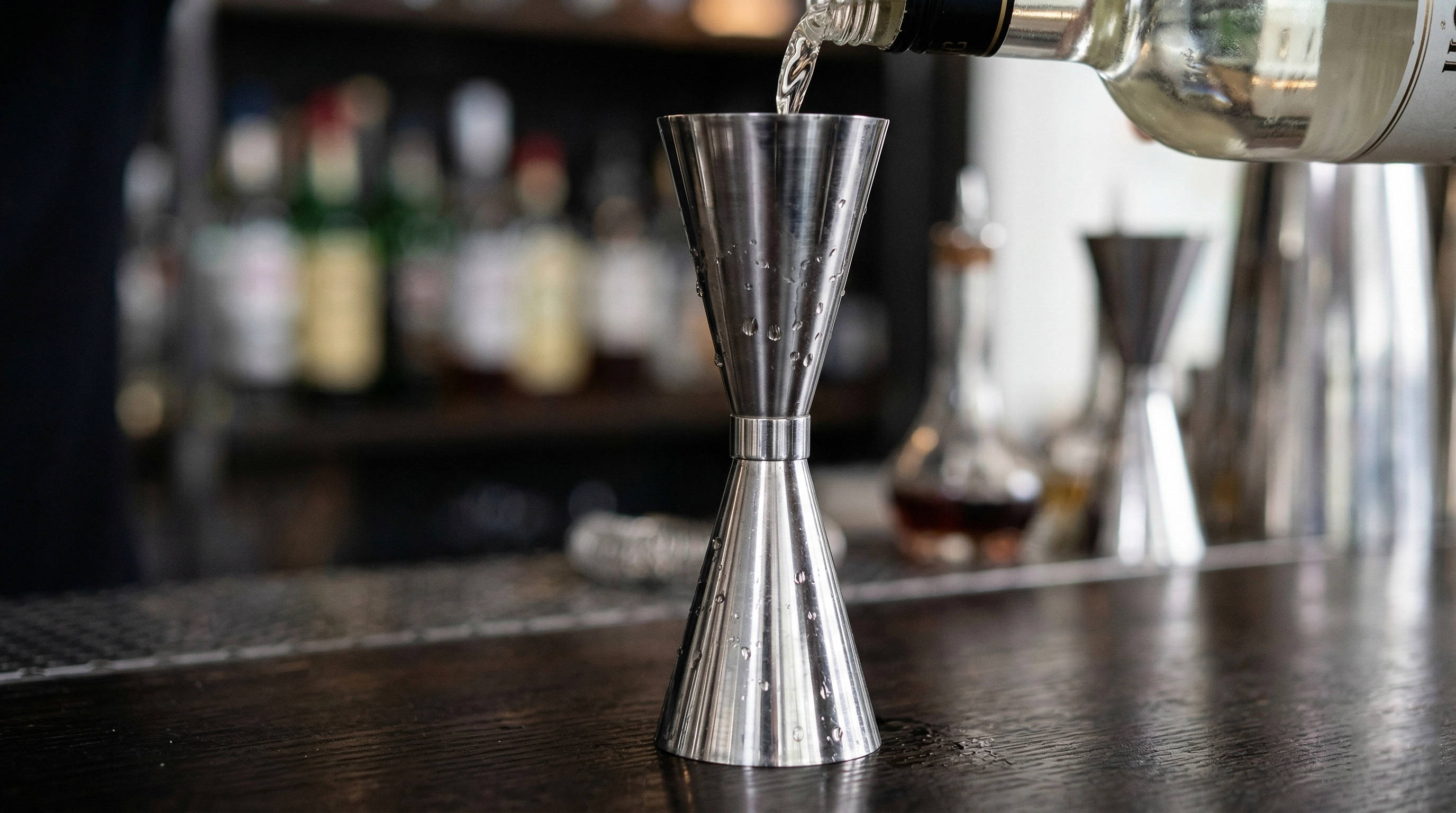
What is a Jigger?
Jigger is a two-sided measuring cup for cocktail preparation. It ensures precise measurement, consistency and easy handling. Detailed guide on how to use, advantages and disadvantages.
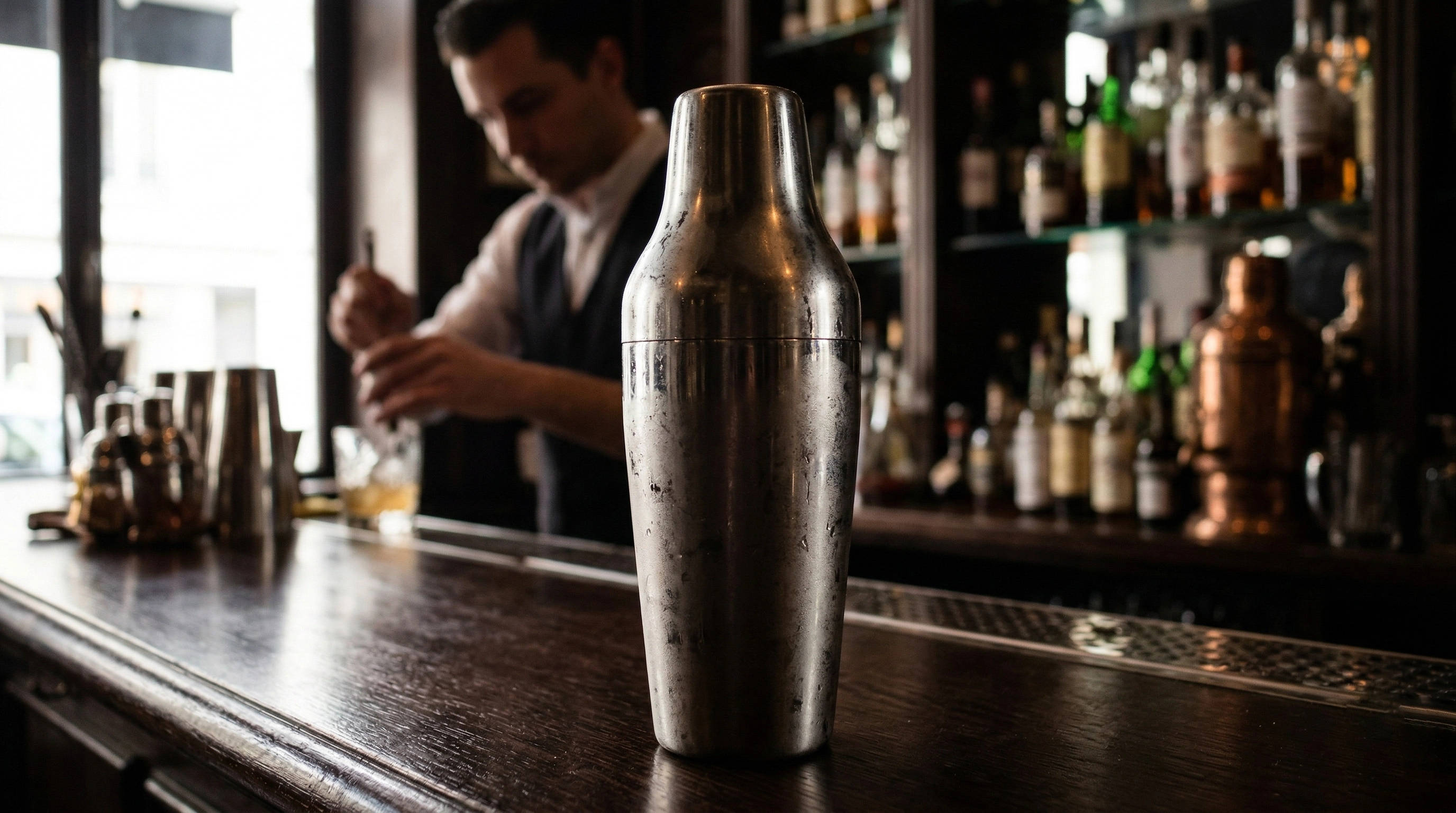
French (Parisian) Shaker
The French (Parisian) shaker is a two-piece cocktail shaker with a stylish design. Detailed guide with how to use it, advantages and disadvantages.
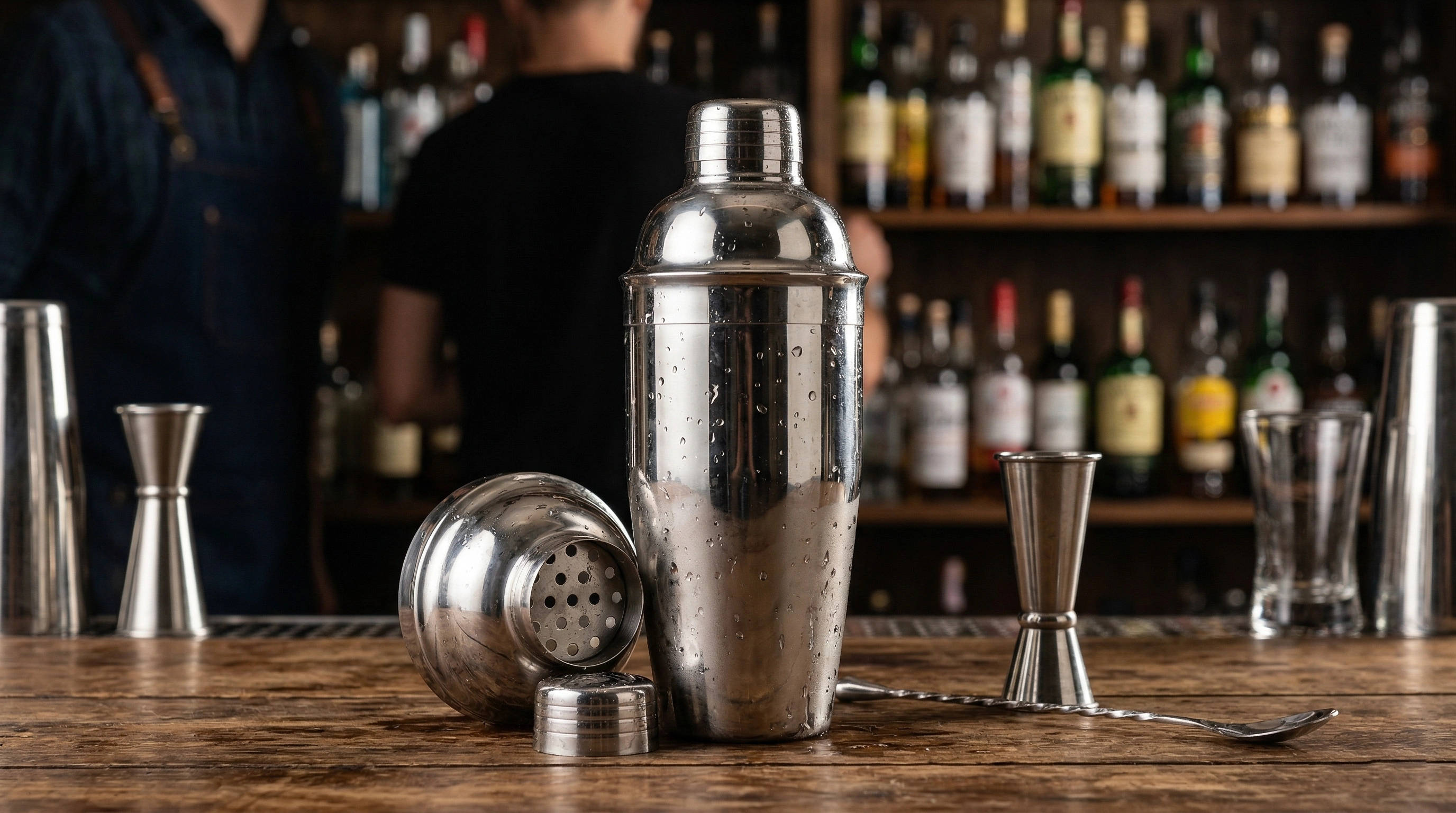
Cobbler Shaker
Cobbler shaker is the easiest type of shaker to use in cocktail making with its three-piece structure and built-in strainer. How to use it, its advantages and disadvantages in detail.
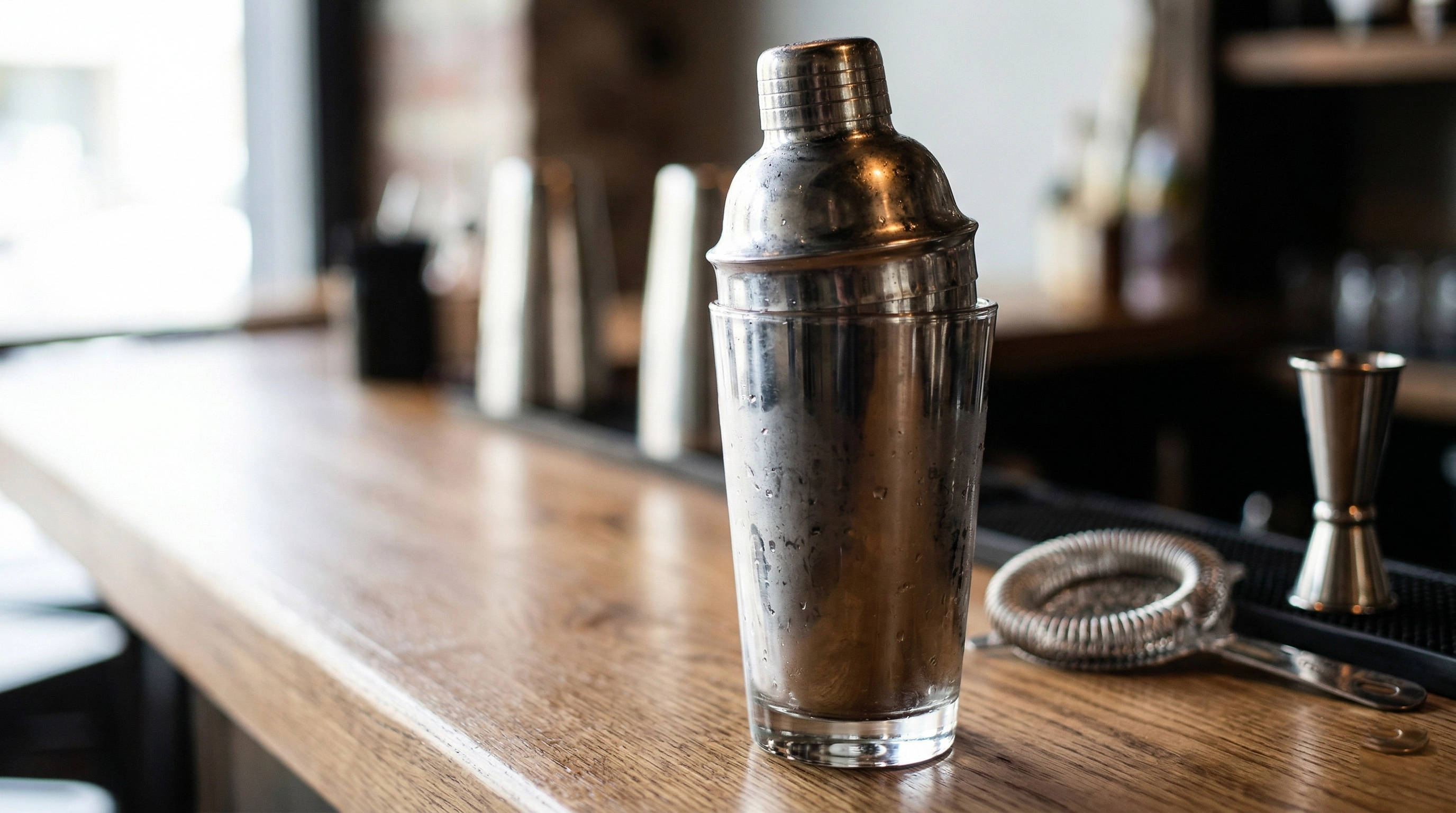
What is Boston Shaker?
The Boston shaker is the most popular cocktail shaker used in professional bars with its two-piece construction. Detailed guide with how to use it, advantages and disadvantages.